Inclusion isn’t always straightforward, particularly in a changing world.
Many organisations, churches and communities are navigating changing expectations, economic pressures and increasing scrutiny, while continuing to create places where people feel valued, supported and able to thrive.
That is why this year’s National Inclusion Week theme, Build Trust. Navigate Change., feels particularly relevant. It recognises that inclusion requires more than good intentions. It takes ongoing action, accountability and a willingness to keep moving forward, even when circumstances around us are changing.
For me, inclusion is also personal. I often share a story from my childhood when facilitating unconscious bias training. When I was younger, shortly after my family had moved to this country from Pakistan, I attended my school’s summer fête. The children had been asked to come in fancy dress. My parents, who were still getting to grips with the language, understandably interpreted “fancy dress” as wearing the fanciest clothes you owned. So, while many of my classmates arrived dressed as Batman, Superman and other characters, I turned up wearing a Shalwar Kameez, the kind of outfit I would normally have worn to a South Asian wedding.
At the time, I was very aware that I looked different. But my parents taught me something through that experience which I did not fully appreciate until much later in life: to be unapologetically myself. That lesson has stayed with me, and I think it has something important to say to our churches during National Inclusion Week.
Our parishes should be places where people do not feel they have to leave parts of themselves at the door. People should be able to bring their whole, authentic selves to church, knowing that they are welcomed, listened to and valued. As Christians, this has a particular significance because we believe that every person is made in the image of God.
Inclusion therefore goes beyond simply inviting people in. It means thinking seriously about what happens once they arrive. Do people feel that they belong? Are different voices heard? Are assumptions challenged? Can people see something of themselves reflected in the life of the church?
For some parishes, change may mean a congregation becoming more culturally and ethnically diverse. For others, it might be greater diversity in styles of worship, language, tradition, theology, age or lived experience.
Change can sometimes feel uncomfortable, but it can also be an opportunity to listen, learn and grow together.
One practical way parishes can begin those conversations is through unconscious bias training. The training provides an opportunity to think about the assumptions we all carry, often without realising it, and how those assumptions can affect the way we welcome, include and relate to others.
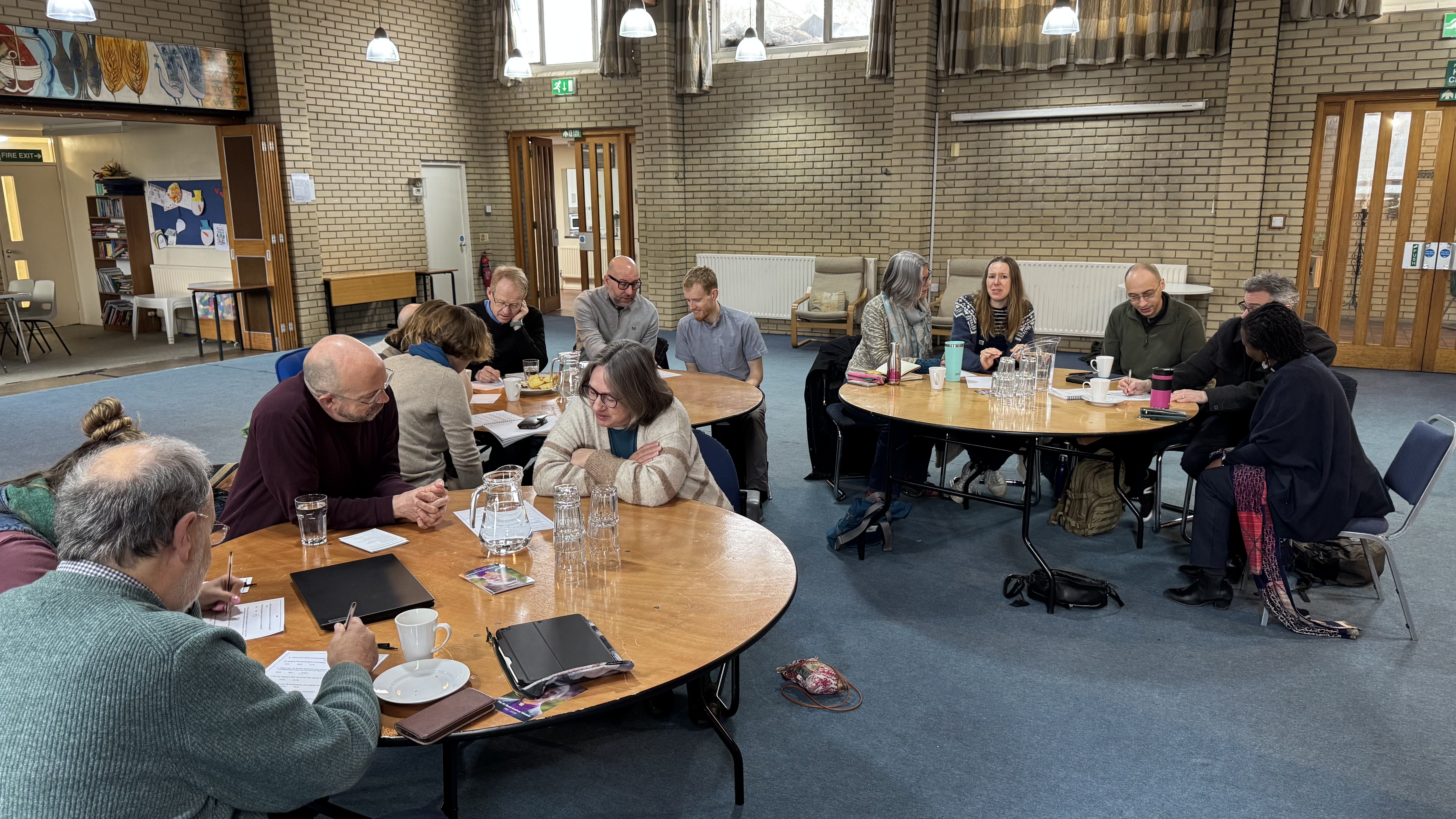
Unconscious Bias training for Woking Deanery
The work of racial diversity across the Diocese, including the Racial Diversity Advisory Group, is similarly about helping us to listen more carefully, learn from different experiences and consider how our churches can become places of deeper belonging.
National Inclusion Week gives us an opportunity to reflect on that work, but inclusion cannot be something we think about for just one week of the year. Building trust takes time. Navigating change takes courage. And creating genuinely inclusive communities requires all of us to play a part. My hope is that our churches will continue to be places where people can come as themselves, contribute fully and know that they belong.
Because there should be room in the Church for Batman, Superman and the child who turns up proudly wearing a shalwar kameez.